


A curation of fascinating stories from around the world. Join me in my travels, mapping out people, places and crafts that make you stop and think.
Anyone can see a place by travelling through it, but understanding what you’re looking at is entirely different!
Choose travel that changes the way you see things.

Subscribe for weekly posts.
Curious about what cultural experiences Namibia has to offer? I’ve put together my tried and tested list of the ones worth seeing:
Namibia's first UNESCO World Heritage Site.
A research centre open to the curious visitor.
Living in the Namib Desert.
An organisation supporting indigenous people.
First hand experience of traditional hunter gatherer culture.
I spend weeks researching, planning, and spending time with locals once I arrive.
All to find the most authentic experiences.
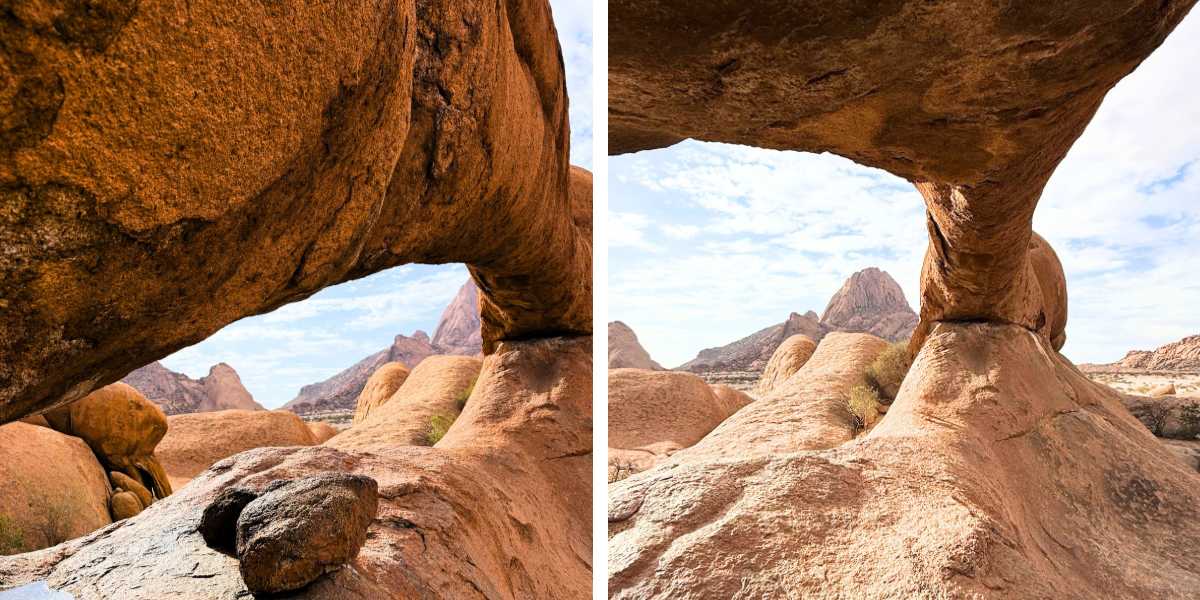
You can drive thousand’s of miles and snap thousand’’s of pictures, but how much do you really understand when you travel?
I’m not one to visit a “traditional” museum and read lists of facts / dates. For me, learning is an adventure and meeting people along the way.
You can read a book or watch a documentary, but real travel adventures are about getting lost, making questionable decisions and discovering that sometimes all it takes is someone, usually a local, to explain what you’re looking at.
Maybe that human connection allows us to feel a sense of comfort.
SERIES
NAMIBIA
Read | WHAT NOBODY TELLS YOU ABOUT NAMIBIA
Read | WHAT THE BUSH HIDES
Read| TRAVEL TO FIND
GOBABEB NAMIB RESEARCH INSTITUE
If you want to feel like you are part of Namibia’s research visit Gobabeb and learn whilst the research is still happening.
The research institute is a working research station, but welcomes visitors who would like to understand the desert.
How things survive.
Why the Namib behaves differently from other deserts.
What researchers are still trying to understand.
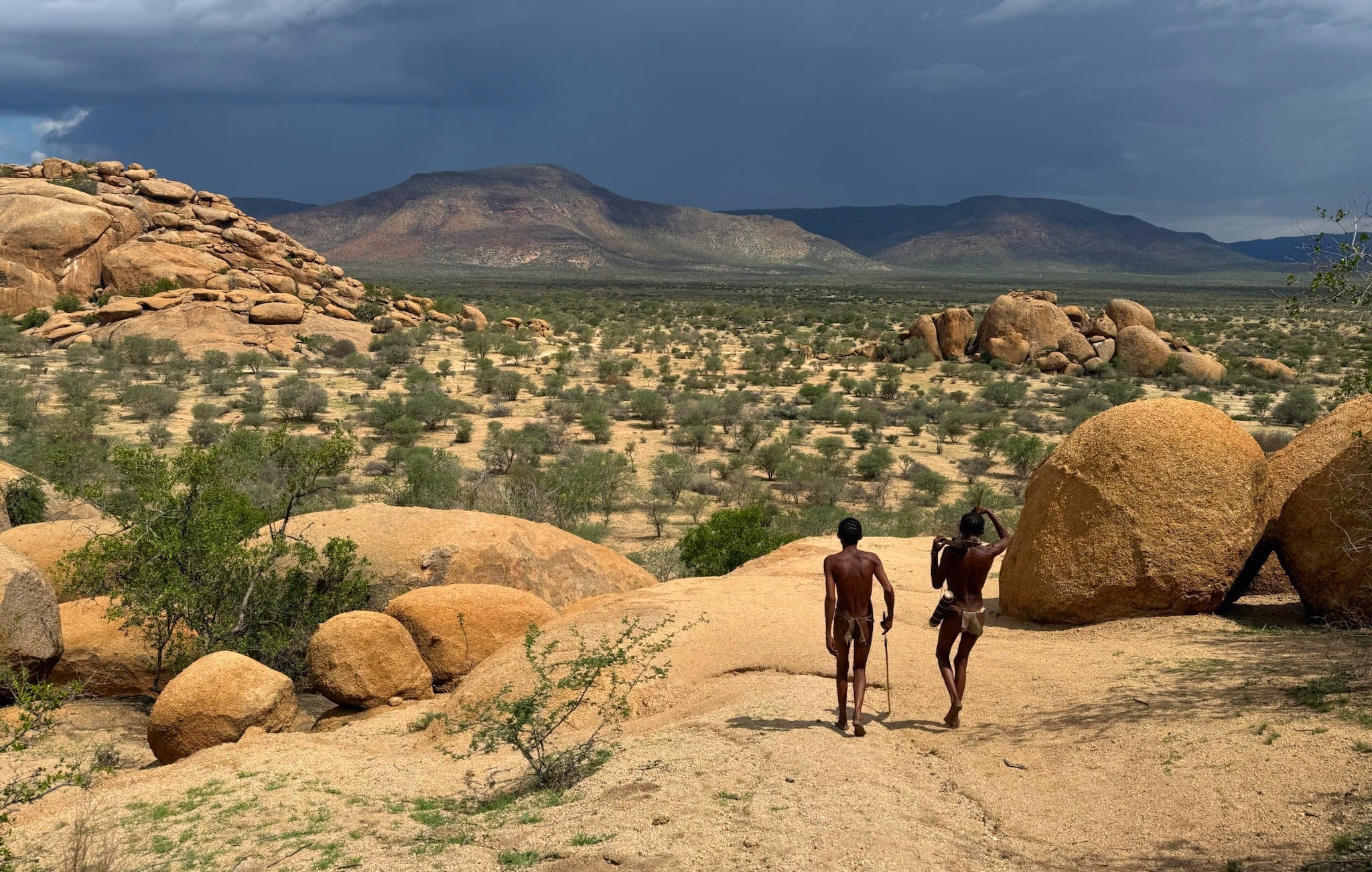
Can you think of a better way to really understand a place than to experience it from the people who live there?
The term “living museum” makes me feel pretty uncomfortable. The Kardashians might have made it “cool”, but sitting back and watching people? That feels wrong.
Who decides what is being shown?
Who’s telling the story?
Who profits from it?
I did wonder, are we shown how the San are currently living, or a version created for us?
After speaking with the elders, I realised this was authentic. They decide what they want to show visitors, believing that in doing so, people will leave with a better understanding of their culture and why preserving it matters.

Read about what they taught me about their hunting culture.
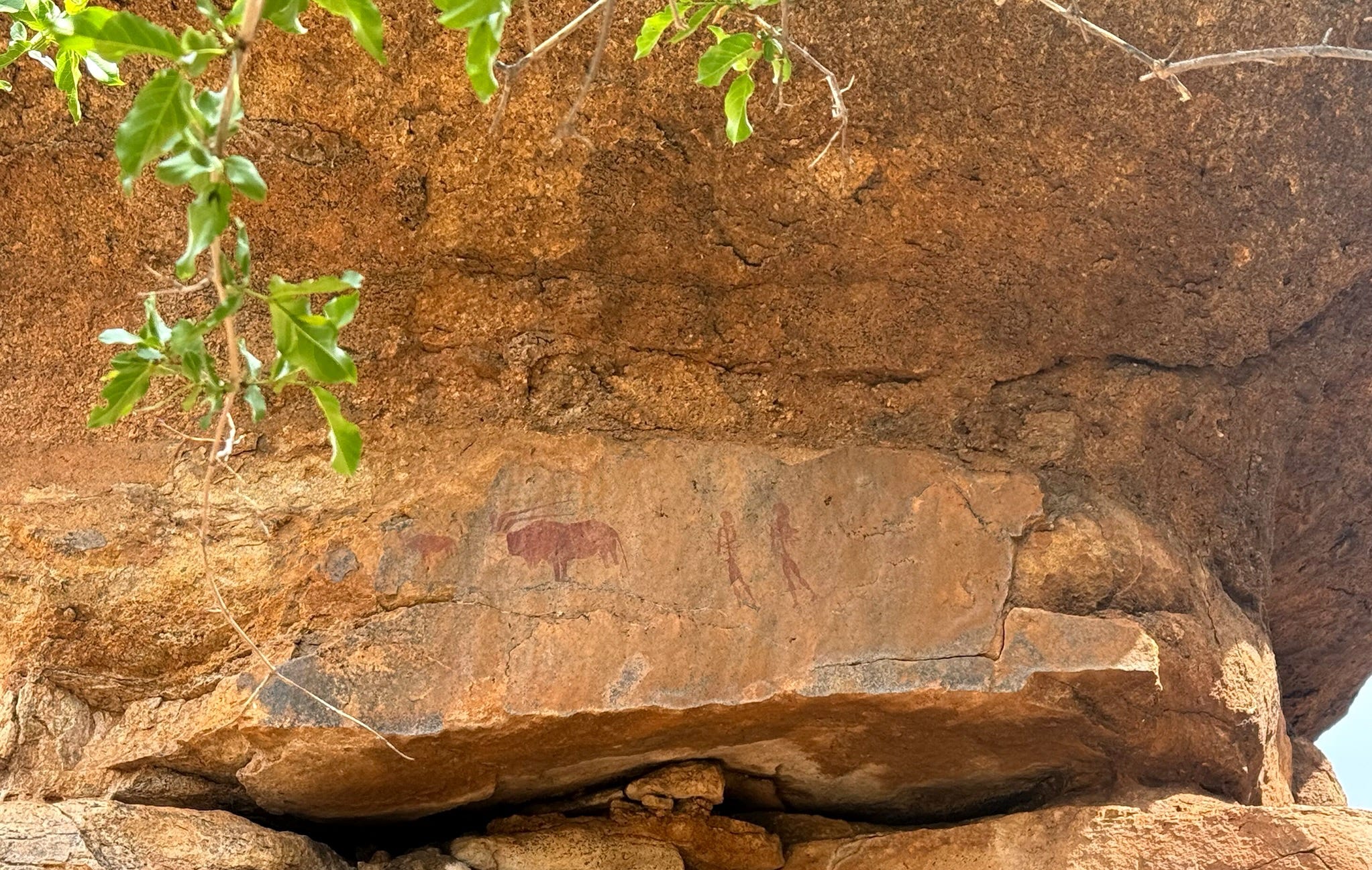
I learnt you have to read the ground in the Kalahari and the rocks in Damaraland.
You could take a photo of an animal on a rock, and say you’ve “seen” it, but what does that even mean? Anyone can draw on a rock. Where’s the fun part, the story?
The landscape in Damaraland was much like the Kalahari, both hiding far more than I first thought.
Twyfelfontein’s rock art is one of Africa’s largest concentrations of engravings of animals, humans, footprints and other markings on rocks recording hunter gatherers life over the past two thousand years. The art reflects links between ritual practices as well as the importance of reliable water sources.
It’s not about ticking off more sights, but making sense of what’s right in front of you.
NaDEET — the Namib Desert Environmental Education Trust
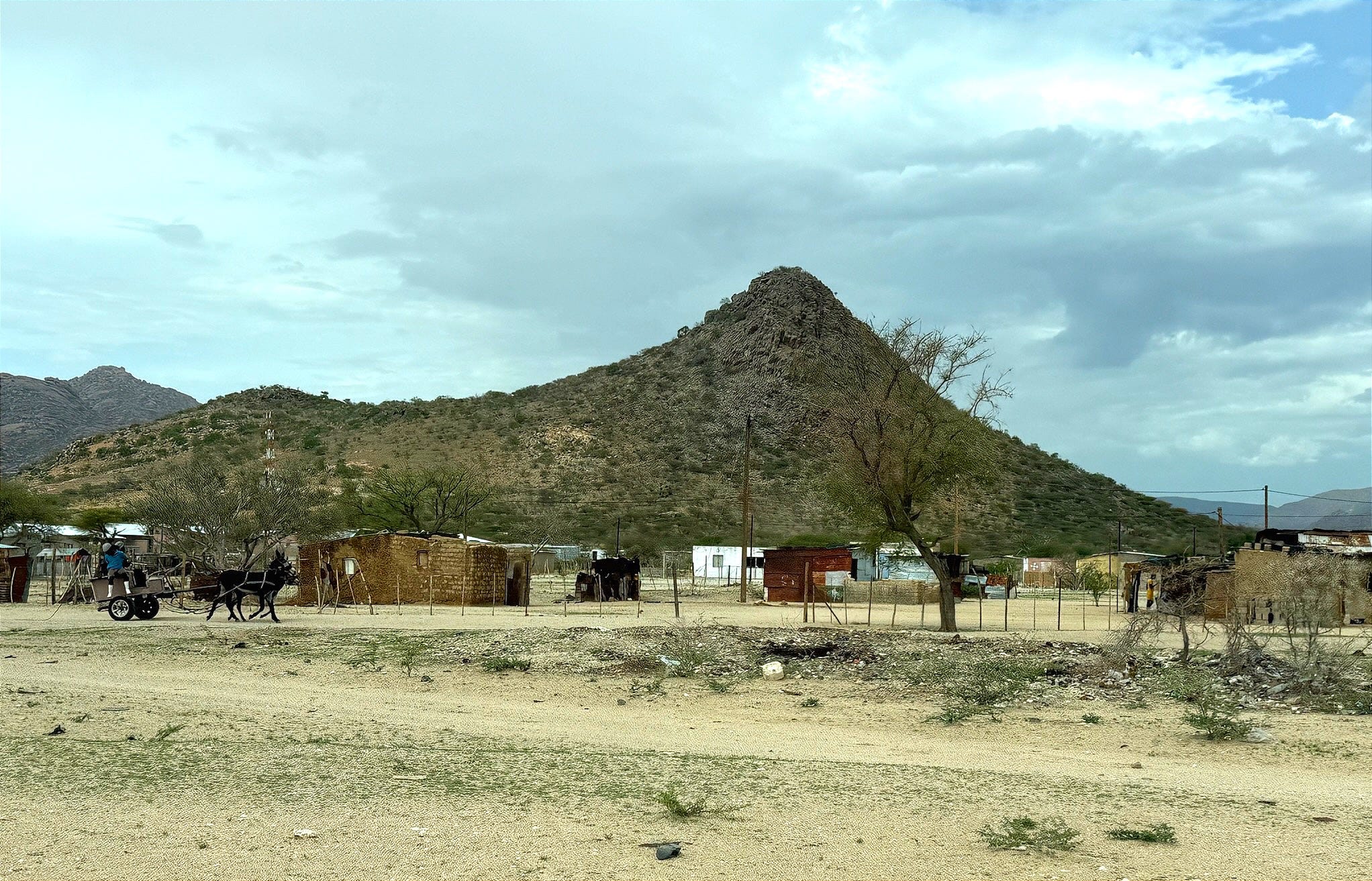
You cannot visit the main NaDEET Centre in the desert, as it functions exclusively as a residential educational facility.
But the Urban Sustainability Centre in Swakopmund is open to anyone curious about how one survives in the driest landscape on Earth.
Built around practical learning of sustainable desert living and eco friendly practices. Don’t expect a well polished 5* eco centre, this place is about everyday survival.
Interested in lodges?
Sleeping Under 5 Stars or 5 Million Stars
We are often sold sustainability as a luxury lifestyle choice. Namibia offers a quiet alternative.
The Centre’s Masterclass in Resourcefulness:
Everyday survival
How to ration water
Harvest energy
Manage waste
The landscape isn’t just a pretty backdrop of instagram pics, but something much more alive and complicated.
I chose not to take pictures during my visit to Nyae Nyae, but to live in the moment with them. At times, I like to keep things close to my heart, allowing special moments to be photographed only in my mind.
This is not an attraction.
You must ask permission before entering the village and before taking any photos.
Similar to Ju/’hoansi Living Museum, you are entering the San communities homes.
However, here you are welcome to camp on their grounds, share their space, and experience their way of life for as long as you please:
Go on walks with the women - we gathered roots, berries (bush food) and ate around the fire.
Learn traditional crafts - this is where I learnt about the ostrich egg water bottle.
Sit by the campfire in the evening (this was my favourite, full of storytelling and laughter - they really are the happiest people)
Get up close with the big game that share the land.
Join in on a hunt, although you won’t be invited to eat this as there’s not enough to go around. I find that fair :)
Visit the giant baobabs that are thousands of years old.
Nyae Nyae is a communal conservancy which gives local community the right to manage and benefit from natural resources.
The local community explain:
Who decides how the land is used.
Who benefits from tourists.
What happens when conservation, hunting, tourism and everyday life all need the same space?
There’s so much beauty in the world that we don’t yet understand.
A trusted curation of fascinating stories from around the world. Join me in my travels, mapping out people, places and crafts that make you stop and think.
OSI Archive:
A Society Without Status → San men on hunting.
Silk → We see a silk shirt, not the silkworm it came from, the hands that created it, and the nature within it.
Fair Isle Knit → Fair Isle isn’t really just a jumper, but something that holds a story of the community.
Wow, you are really putting together a quality travel guide for this destination!
I liked the idea of looking beyond the scenery and seeking a deeper understanding. It reminded me how vividly a place and the people we meet can stay with us through its colours, landscapes, atmosphere, and the experience itself.